

BILLS WE’RE WATCHING
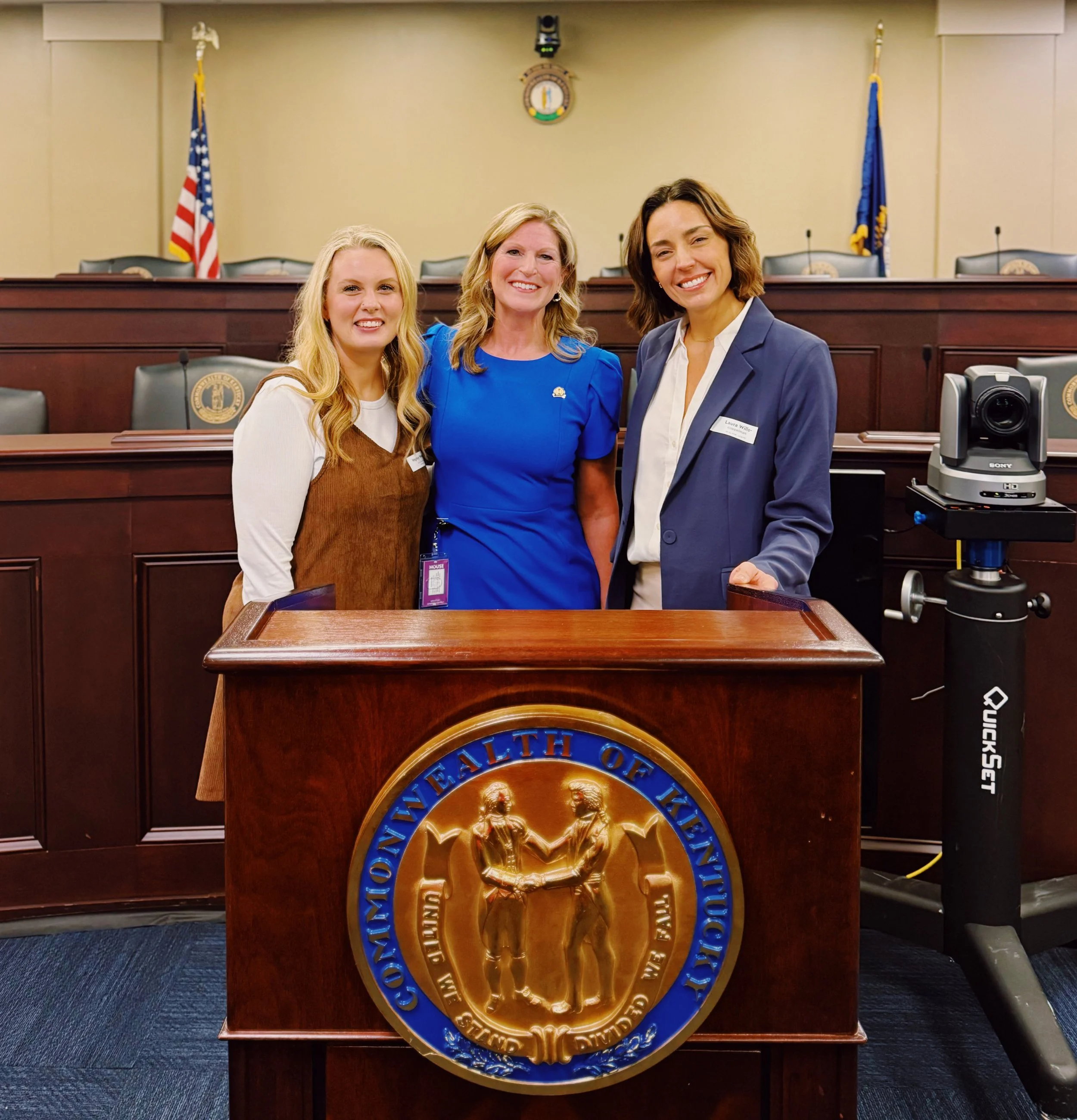
HOUSE BILL 4 - Representative Marianne Proctor
House Bill 4 strengthens Kentucky law by explicitly criminalizing grooming behaviors—patterns of conduct used by adults to gain access to, trust of or influence over a child for the purpose of sexual exploitation or abuse.
By naming grooming as a distinct offense, HB 4 closes a long-standing gap in the law: harmful conduct that is often clearly predatory but difficult to prosecute before abuse escalates. This bill allows intervention before harm is undeniable.
Why it matters
Grooming is not ambiguous to victims—but it has often been treated as ambiguous in policy and enforcement. HB 4 gives law enforcement, prosecutors, and schools clearer guidance, while prioritizing early intervention and prevention.
House Bill 102 - Representative James Tipton
HB 102 strengthens safeguards around educator misconduct by closing long-standing gaps in hiring, reporting, record-keeping, and accountability. Under current law, educators can leave a district under a nondisclosure agreement (NDA), educator misconduct can be sealed, investigations can stop and future employers may never be told. HB 102 closes those loopholes.
HB 102 limits the use of nondisclosure agreements related to misconduct involving students, requires completion of investigations even if an employee resigns or transfers, and improves transparency during hiring by ensuring districts share relevant disciplinary history tied to abusive conduct.
At its core, HB 102 is about preventing misconduct from being quietly hidden—or passed from one school community to another—while preserving due process and clear standards for educators.
Why it matters
By addressing the structural weaknesses that allow risk to go unaddressed, HB 102 helps protect students, support responsible educators, and ensure institutions respond to concerns with consistency, integrity, and transparency—before harm is repeated.
Senate Bill 181 - Senator Lindsey Tichenor
SB 181 requires school districts to use traceable communication systems for electronic contact with students, ensures parental access and notification and creates clear consequences when unauthorized communication occurs. It also strengthens reporting timelines, transparency and oversight when allegations involve school employees or volunteers.
At its core, SB 181 is about closing gaps between law and practice—ensuring concerns are routed promptly to appropriate outside authorities and handled with consistency, accountability, and transparency.
Why it matters
By prioritizing traceable communication, parental awareness, and clear reporting pathways, the bill helps prevent harm before it escalates and restores trust in systems designed to protect children.

Senate Bill 196 - Senator Aaron Reed
SB 196 closes the “post-graduation loophole” in educator misconduct by prohibiting sexual contact between a certified school employee and a current student, a minor or a former student within two years of graduation or leaving enrollment—unless it is established that no grooming occurred while the student was enrolled.
The bill formally defines grooming behavior in statute and makes clear that such conduct may trigger professional discipline even without a criminal conviction. It also reinforces reporting requirements and clarifies that review by the Education Professional Standards Board may proceed regardless of whether criminal charges are filed.
At its core, SB 196 recognizes that professional accountability must reflect the realities of grooming and the power imbalance created in school settings — a dynamic that does not disappear at graduation.
Why it matters
Under current law, once a student graduates, relationships between educators and former students can fall into a gray area, even when grooming began during enrollment. This gap makes accountability difficult and blurs professional boundaries.
SB 196 closes that gap. By defining grooming and extending protections beyond graduation, the bill ensures educator conduct is evaluated in full context—not just by timing—and reinforces that professional responsibility does not end at commencement.