

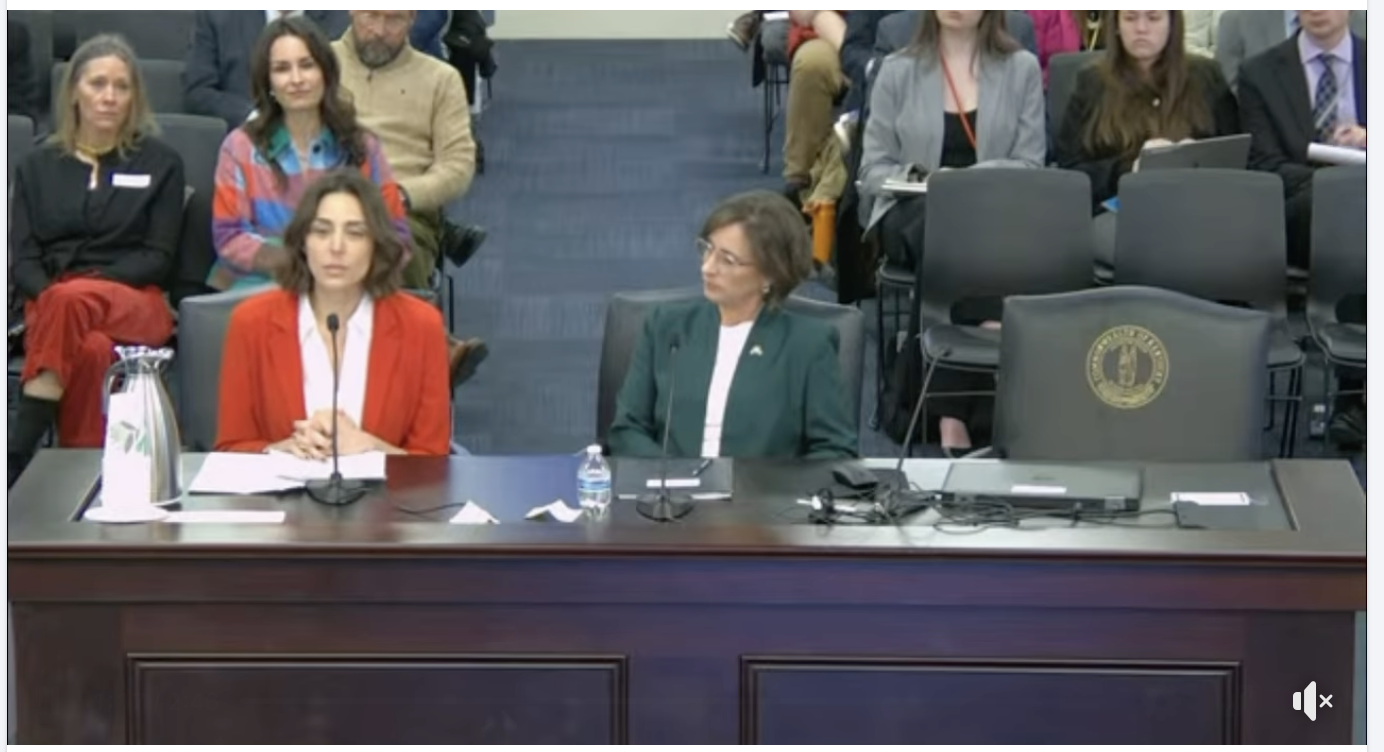
Legislation We’re Advancing
PASSED!
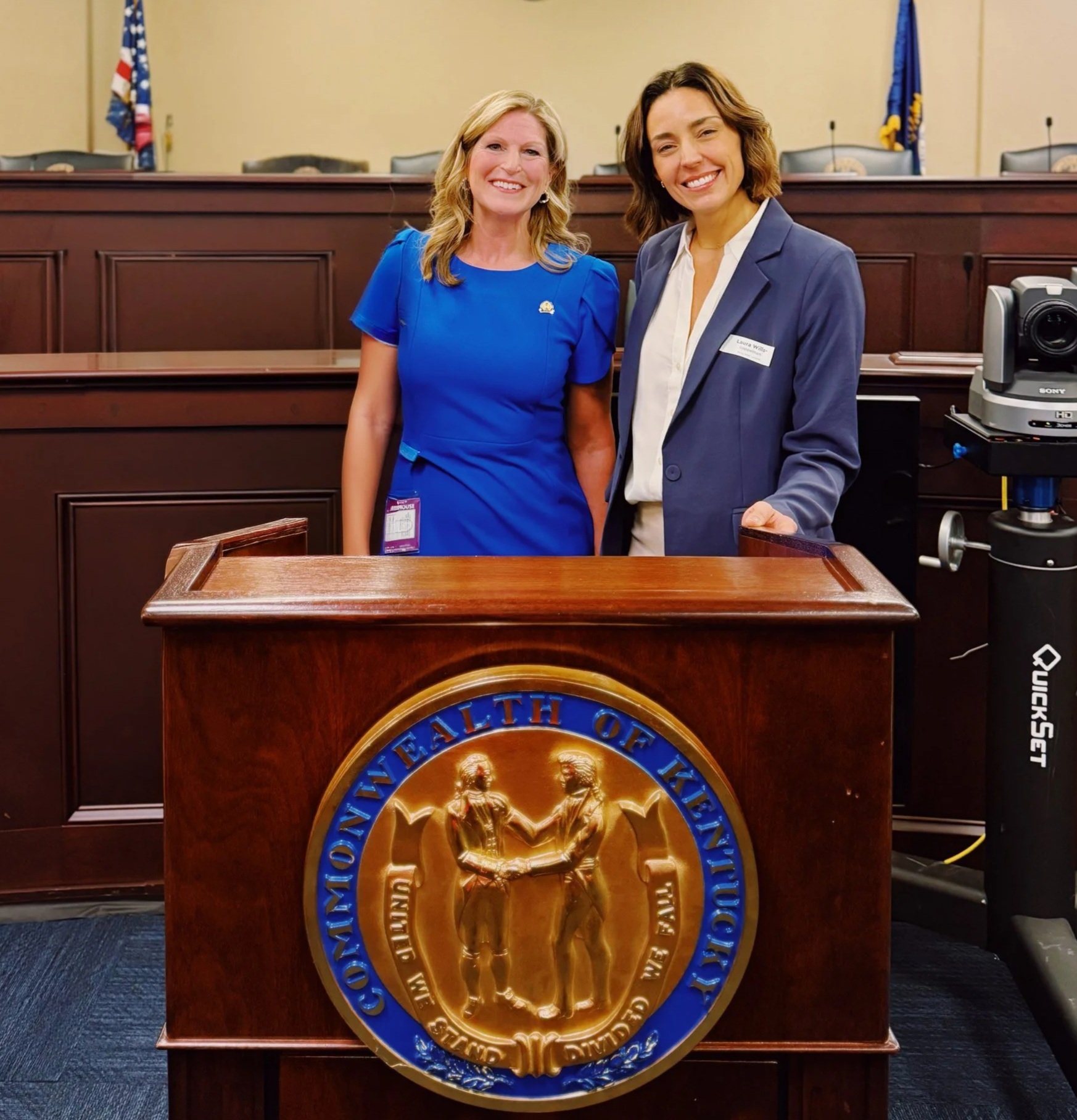
HOUSE BILL 4 - Representative Marianne Proctor
House Bill 4 strengthens Kentucky law by explicitly criminalizing grooming behaviors—patterns of conduct used by adults to gain access to, trust of or influence over a child for the purpose of sexual exploitation or abuse.
By naming grooming as a distinct offense, HB 4 closes a long-standing gap in the law: harmful conduct that is often clearly predatory but difficult to prosecute before abuse escalates. This bill allows intervention before harm is undeniable.
Why it matters
Grooming is not ambiguous to victims—but it has often been treated as ambiguous in policy and enforcement. HB 4 gives law enforcement, prosecutors, and schools clearer guidance, while prioritizing early intervention and prevention.
Status: Passed unanimously in both the House and Senate; Signed into law by Governor Beshear on April 10, 2026.
PASSED!
House Bill 253 - Representative James Tipton
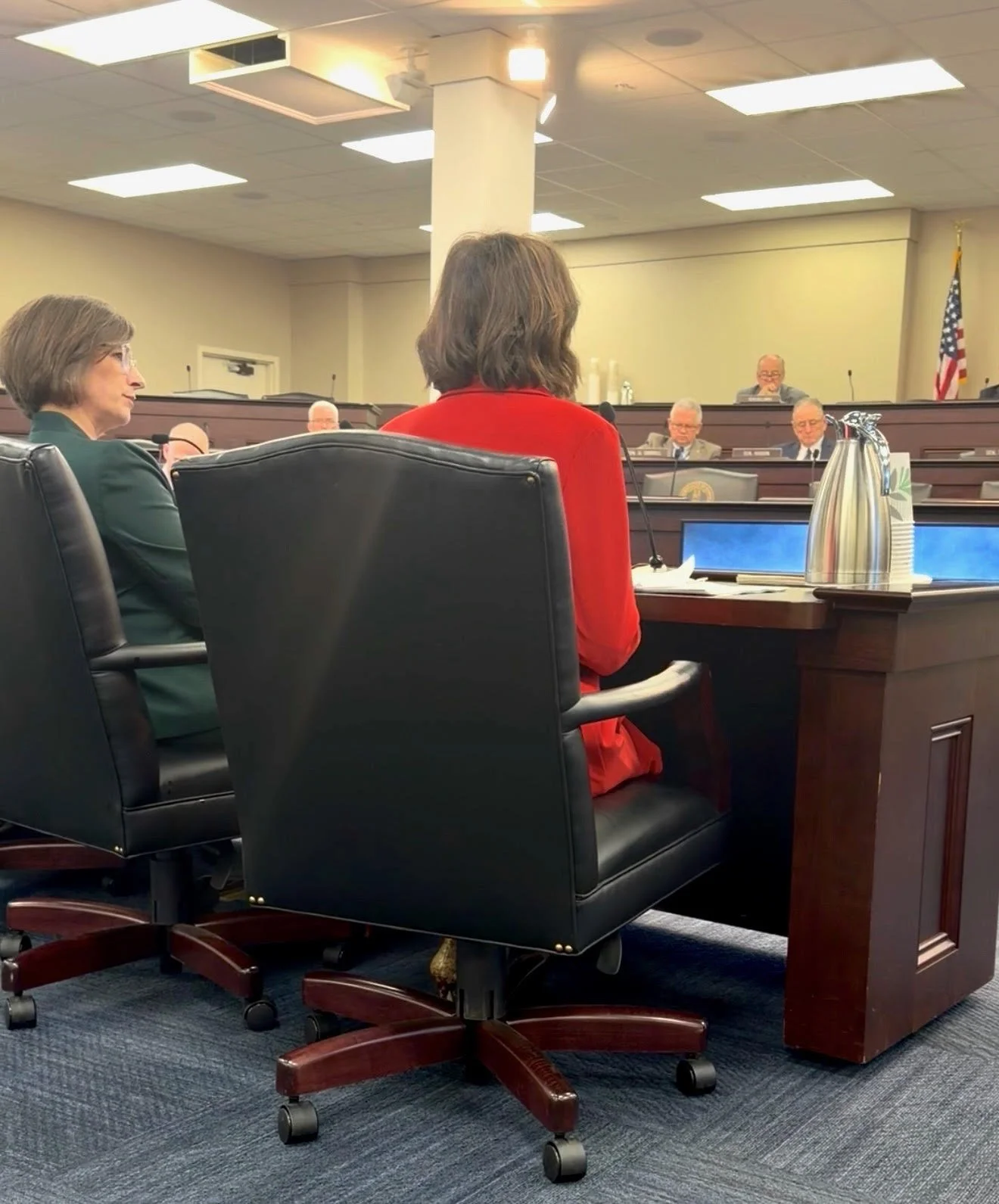
HB 253 is a literacy-focused bill that was amended to include significant provisions addressing educator misconduct and the use of nondisclosure agreements. These provisions—originally introduced in House Bill 102—limit the use of NDAs in cases involving educator misconduct with students and strengthen requirements around reporting, documentation, and transparency.
By incorporating these measures into HB 253, the bill ensures that misconduct involving students cannot be quietly resolved through confidentiality agreements or left unreported when an educator leaves a district.
This bill carries forward key accountability protections—ensuring that educator conduct is documented, reported, and not shielded from future employers or oversight.
Why it matters
While HB 253 began as a literacy bill, the inclusion of these provisions represents a critical step in closing gaps that have historically allowed misconduct to be concealed.
Under current practices, nondisclosure agreements and incomplete reporting can prevent important information from following educators between districts. By embedding these protections into active legislation, Kentucky moves closer to a system where student safety is prioritized over institutional discretion.
Status: Passed both chambers following concurrence; Signed into law by Governor Beshear on April 10, 2026.
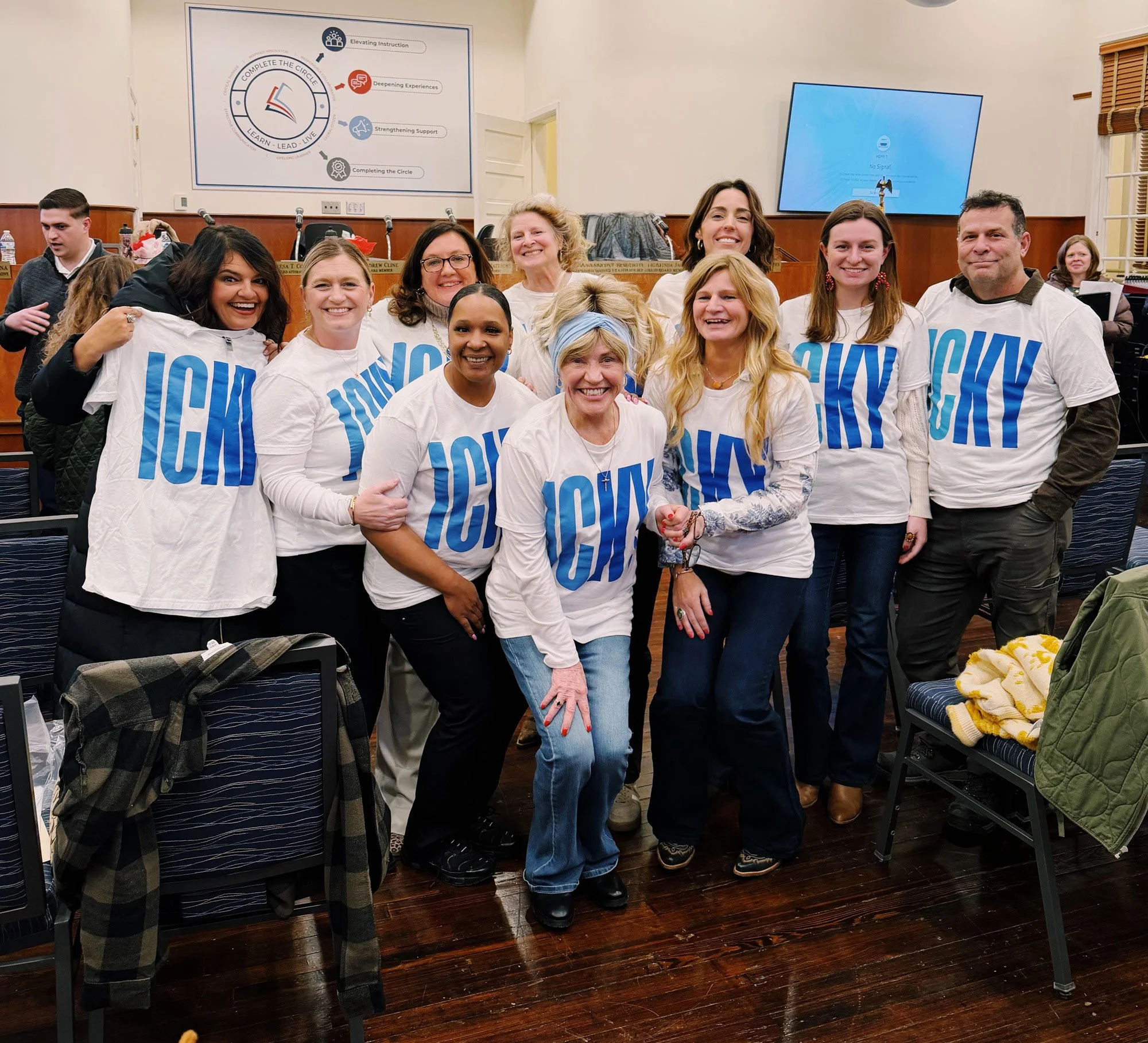
Senate Bill 196 - Senator Aaron Reed
SB 196 closes the “post-graduation loophole” in educator misconduct by prohibiting sexual contact between a certified school employee and a current student, a minor or a former student within two years of graduation or leaving enrollment.
The bill formally defines grooming behavior in statute and makes clear that such conduct may trigger professional discipline even without a criminal conviction. It also reinforces reporting requirements and clarifies that review by the Education Professional Standards Board may proceed regardless of whether criminal charges are filed.
SB 196 recognizes that professional accountability must reflect the realities of grooming and the power imbalance created in school settings — a dynamic that does not disappear at graduation.
Why it matters
Under current law, once a student graduates, relationships between educators and former students can fall into a gray area, even when grooming began during enrollment. This gap makes accountability difficult and blurs professional boundaries.
By defining grooming and extending protections beyond graduation, the bill ensures educator conduct is evaluated in full context—not just by timing—and reinforces that professional responsibility does not end at commencement.
Status: Did not receive a committee assignment this session; planned for reintroduction next session.